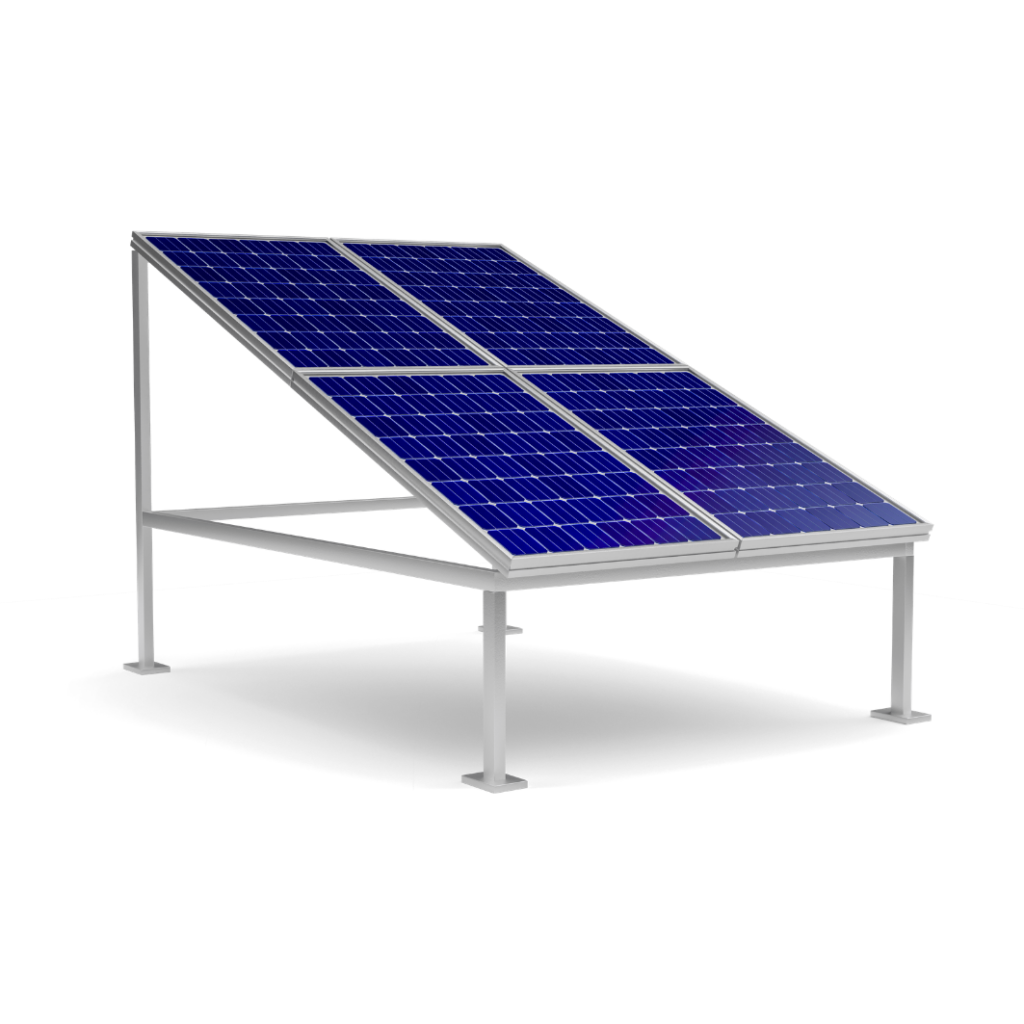
Energy

Advanced PCB Protection

  • BMS protection often becomes enclosure + potting + assembly overhead. We enable protective coverage that supports compact packaging and thermal-driven designs.
  • Power electronics packaging often becomes hardware-heavy. We consolidate mounts and alignment into molded carriers to simplify assembly.
  • Traditional potting/casting approaches can add curing and rework complexity. We enable protective coverage with reduced mechanical stress and repeatable builds.

Batteries

  • Thermal design often adds parts and interfaces. We enable encapsulation approaches that support more integrated thermal isolation and cooling concepts.
  • Traditional isolation can require stacked parts and extra assembly steps. We enable integrated isolation through encapsulation while protecting embedded elements.

Connectors

  • Connector builds often accumulate secondary retention features. We integrate retention into molded structures to simplify assembly.

Enclosures & Housings

  • Energy enclosures often begin as multi-part builds. We support scalable molded housings with integrated mounting and interface features.
  • Monitoring assemblies are often constrained by tolerance stack-up. We enable molded housings with integrated datum features to reduce downstream adjustment.
  • High-shear processing can constrain reinforced options. We enable more workable reinforced polymer choices for molded supports.

Power Distribution

  • Traditional insulation approaches can add stacked parts and assembly steps. We enable encapsulated bus structures that support compact, integrated isolation concepts.

Thermal Management

  • Thermal solutions often add interfaces and assembly steps. We enable molded thermal structures that reduce interfaces and use filled polymers effectively.
  • Thermal interface stacks can be assembly-driven. We enable molded thermal interface structures that reduce interfaces and support filled polymer use.

Manufacturing for Energy Systems and Power Electronics

Energy systems—spanning battery packs, BMS electronics, power distribution, and field-deployed sensing—often rely on conservative mechanical stacks and multi-step encapsulation to manage risk from high-pressure molding and traditional potting. These approaches introduce cure-time friction, handling variability, thermal-interface layering, and mechanical stress on cells, solder joints, interconnects, and sensors. As a result, assemblies grow in part count and complexity to achieve electrical isolation, environmental protection, and thermal control under demanding operating conditions.

Controlled molding and low-pressure encapsulation address these constraints at the process level. Insulating, reinforced, and thermally tuned polymer systems—including filled blends for electrical isolation and heat transfer—can be applied with uniform coverage, stable geometry, and consistent filler distribution while minimizing stress on sensitive components. This enables thermal protection, electrical isolation, mechanical support, and alignment features to be integrated directly into molded carriers, battery structures, bus bars, enclosures, and thermal components rather than added through secondary parts. For housings, mounts, sensor enclosures, and thermal structures, reduced shear and lower internal stress improve dimensional stability and repeatability at production scale. The result is fewer interfaces, simpler assemblies, and manufacturing approaches better aligned with the reliability, safety, and scalability requirements of energy infrastructure and electrified systems.